Overall ratings indicate strong satisfaction with the task, while safety was rated generally positive but more mixed, reflecting that many pilots enjoyed the day but several had clear concerns about crowding and terrain-related risk.
Task quality: Many pilots described the task as great, interesting, well-timed, and a good length for the day, with a balanced mix of conditions and options in the middle section. Several appreciated the shorter format given the afternoon overdevelopment risk.
Safety: Several pilots felt the return to the ridge after takeoff or after tagging SSS created a crowded, low-altitude pinch point close to terrain, with strong or rough thermals and limited room to climb or soar. One pilot reported a midair contact that ended without injury, and several comments flagged elevated midair risk in these dense gaggle situations.
Pilot behavior: Several pilots mentioned line-cutting, aggressive flying, pilots going inside thermals, and conflicting turn directions after SSS, which made crowded sections feel more hazardous. Spreading pilots before sending them back toward the mountain was suggested to reduce these interactions.
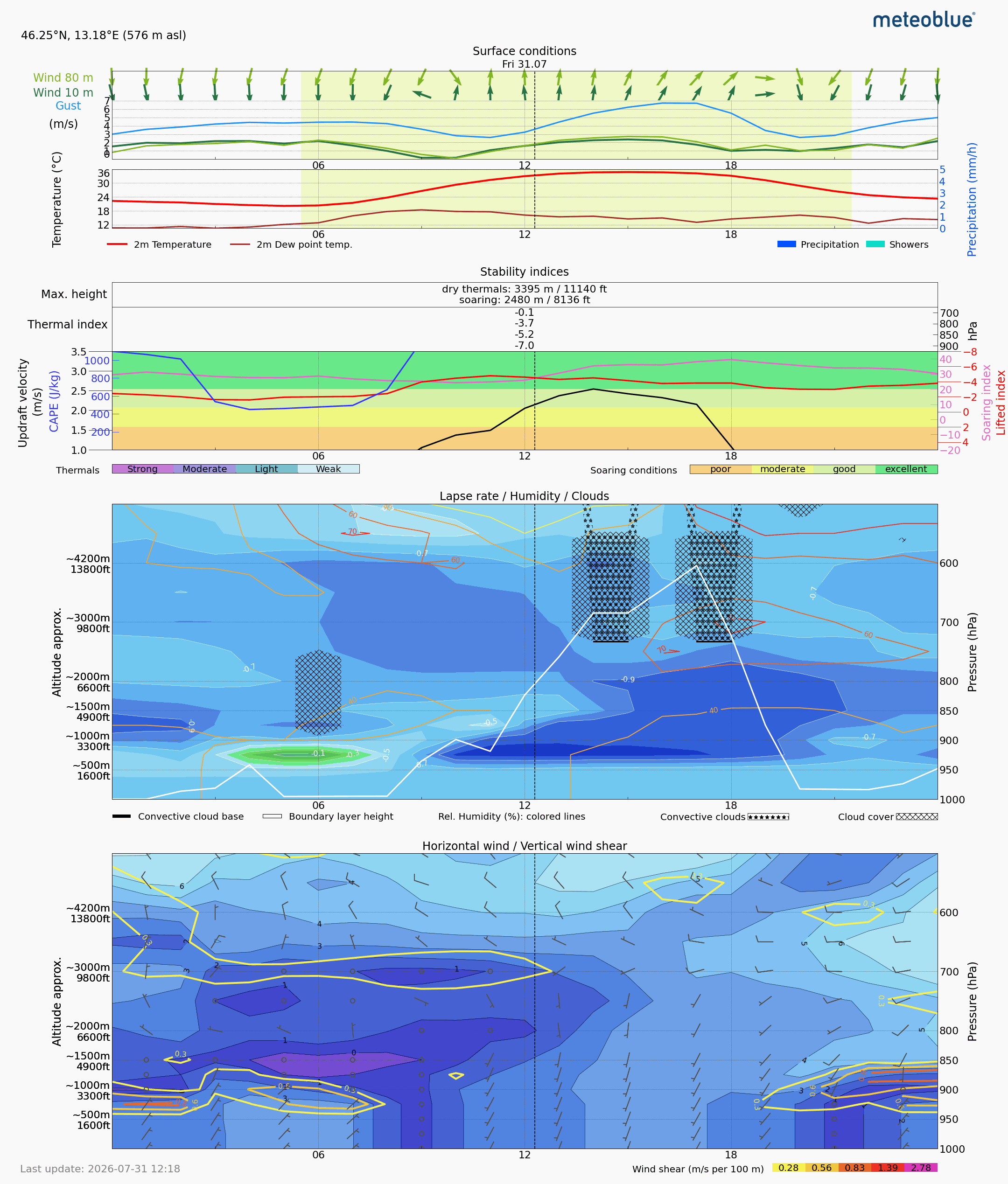
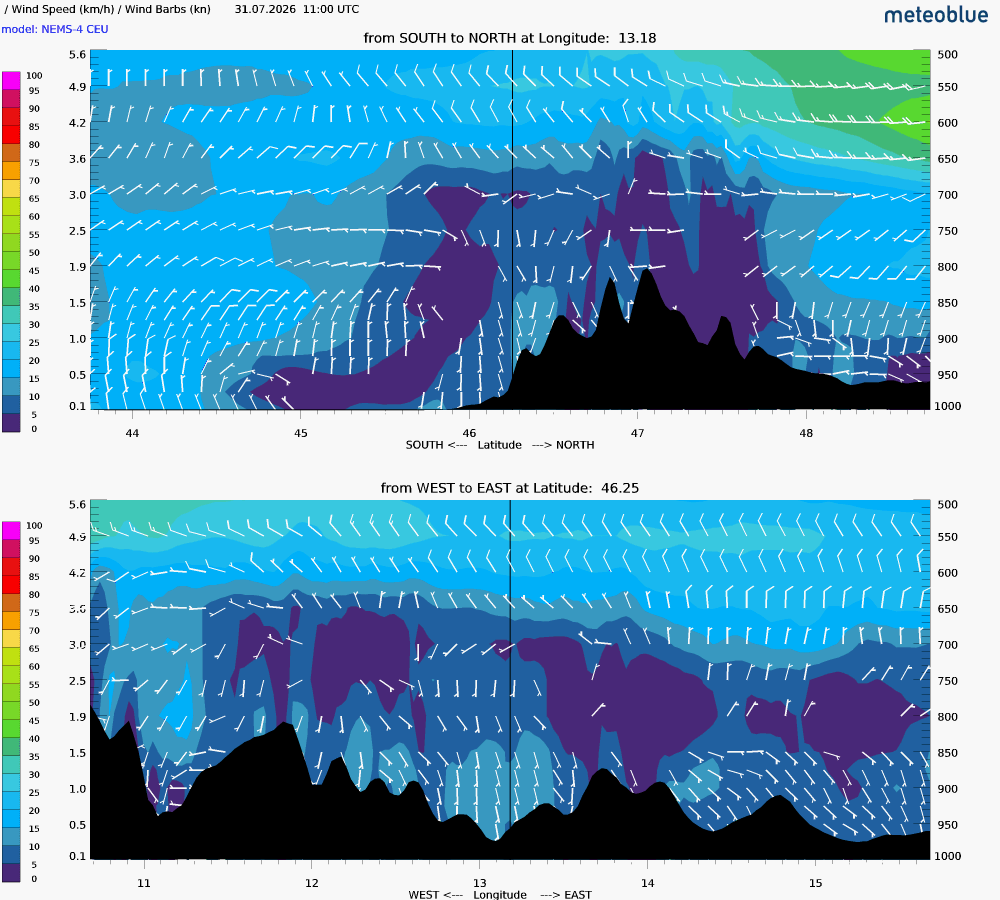
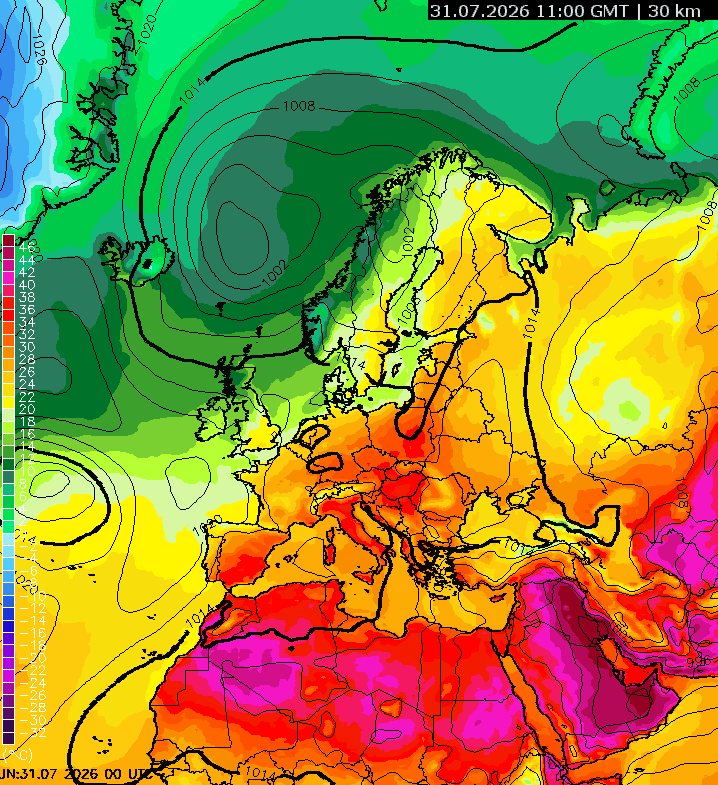
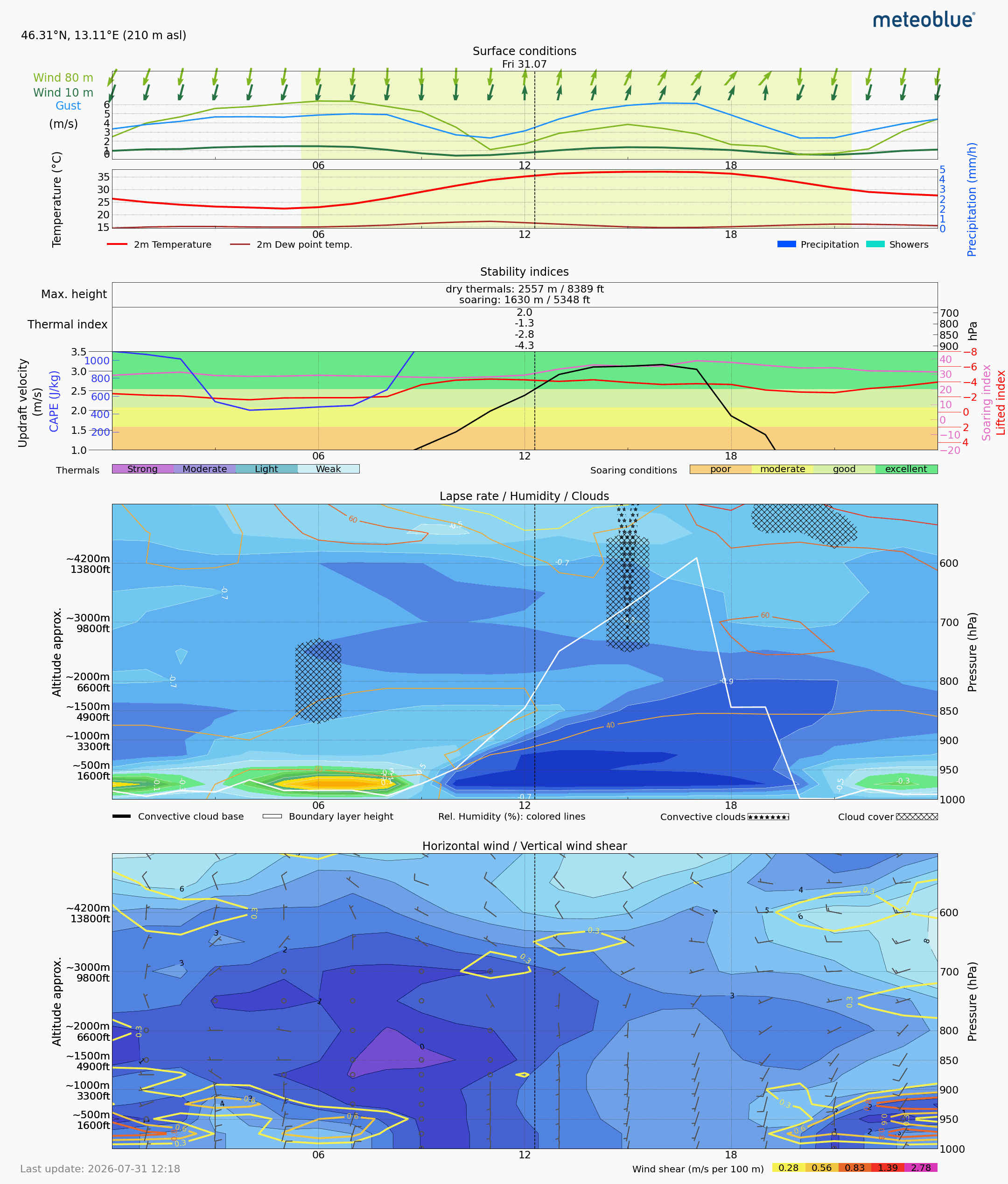
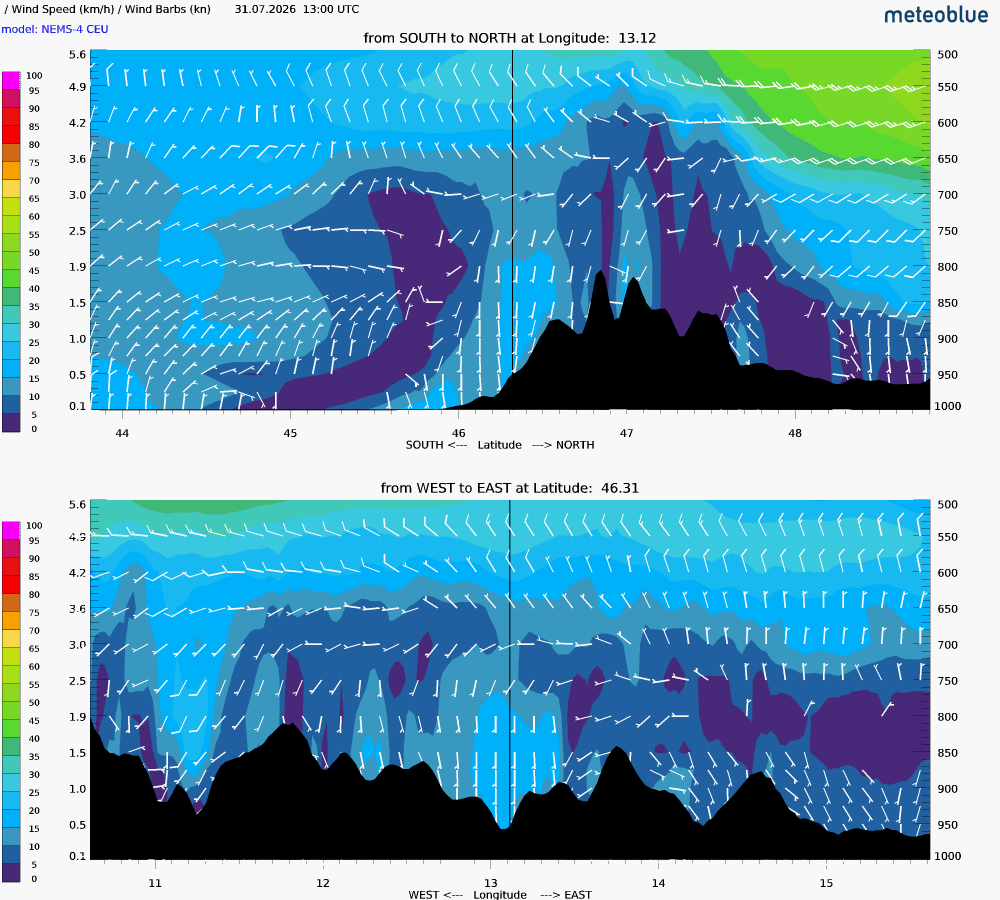
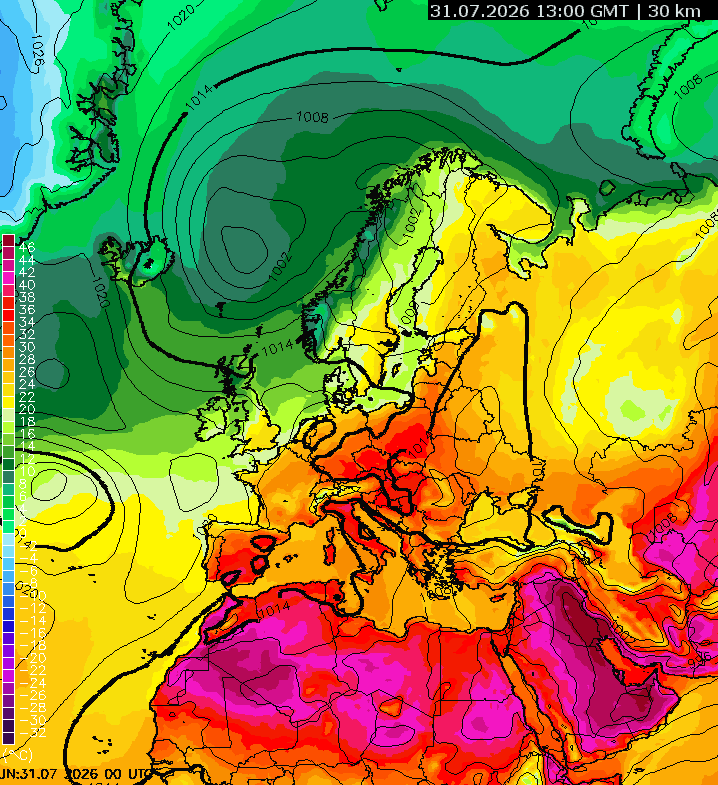
Weather/conditions: A few pilots noted storms, storm clouds to the north, and overdevelopment developing in the background; some felt the task handled this well, while others questioned sending the route north with visible development. Several also noted that cloudbase was lower than expected, valley wind was weaker than anticipated, and some ridge crossings or lee areas became more demanding.
Organization: Feedback toward the organizers was often appreciative, especially for optimizing the task around the day’s conditions, but isolated comments felt the tasking has repeatedly pushed limits with low base, high ridges, and leeside or no-lift turnpoints. One isolated comment also objected to a request for a wing shortly after landing, describing the timing as unreasonable.
Suggestions for improvement: Several pilots recommended avoiding route sections that force the whole field onto one ridge, especially between SSS and the first turnpoint, and reconsidering turnpoints that are leeside, over trees, or approached against the wind when pilots may arrive low. Isolated comments also asked for more ridge flying overall, while others emphasized using ridges in a way that avoids low, crowded pinch points near terrain.