AI-generated feedback summary
- Responses
- 53
- Satisfaction
- 4.47/5
- Safety
- 4.75/5
- Overall ratings were very positive: pilots were highly satisfied with the task and rated safety even more strongly, while comments still highlighted important improvement opportunities around goal setup and in-air conduct.
- Many pilots described the task as well set, enjoyable, difficult, and interesting, with several appreciating the added challenge to the north. A few felt parts were too long or repetitive, especially the extended into-wind section, and one pilot asked for a shorter task.
- Several pilots raised safety concerns about the goal, especially the final glide over trees and bushes, low arrivals by the main gaggle, and the treeline making goal feel unreachable or unnecessarily risky. Multiple pilots suggested using an elevated goal, and one also noted the goal field vegetation was difficult for packing and snagged lines.
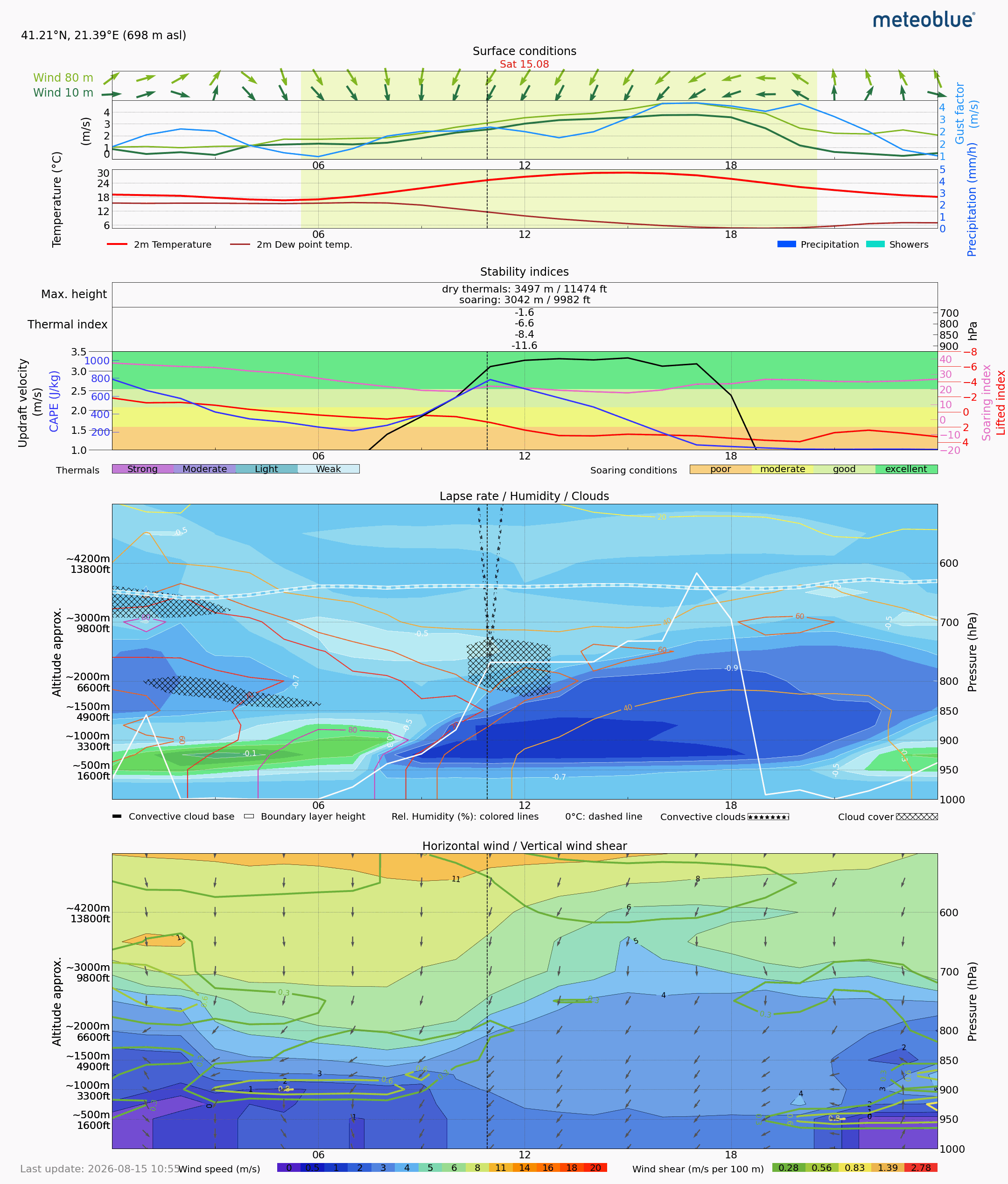
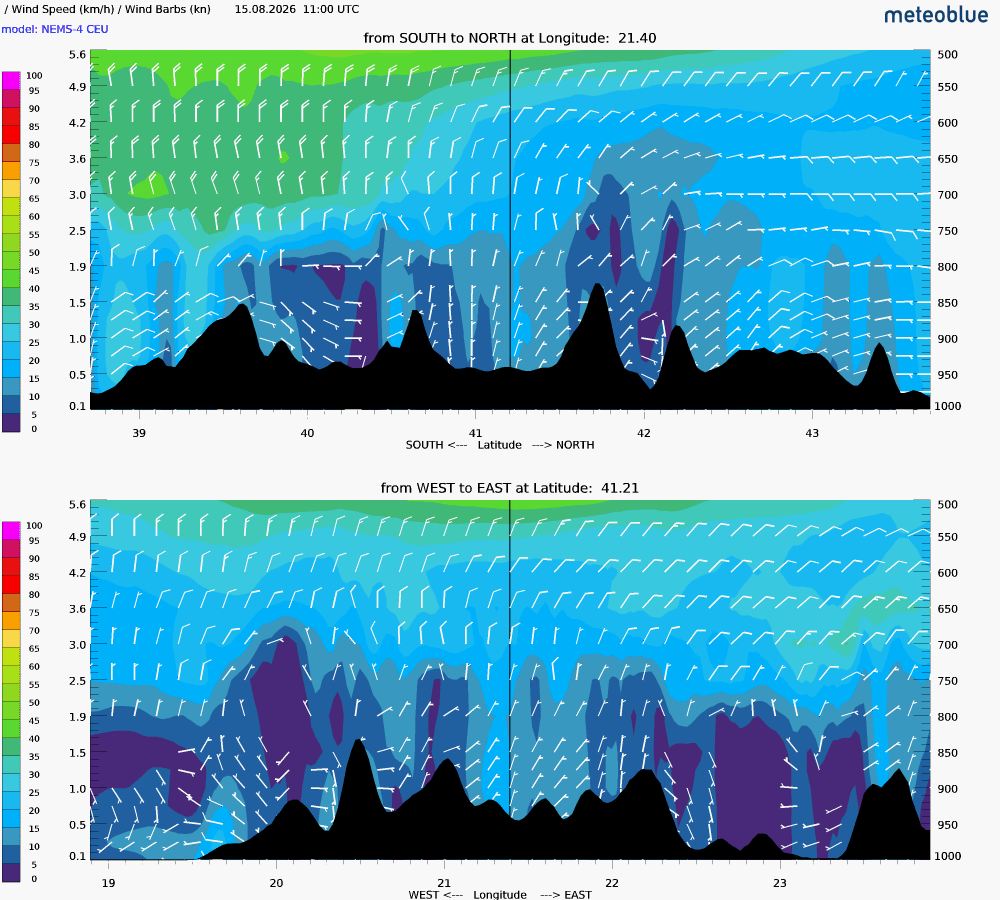
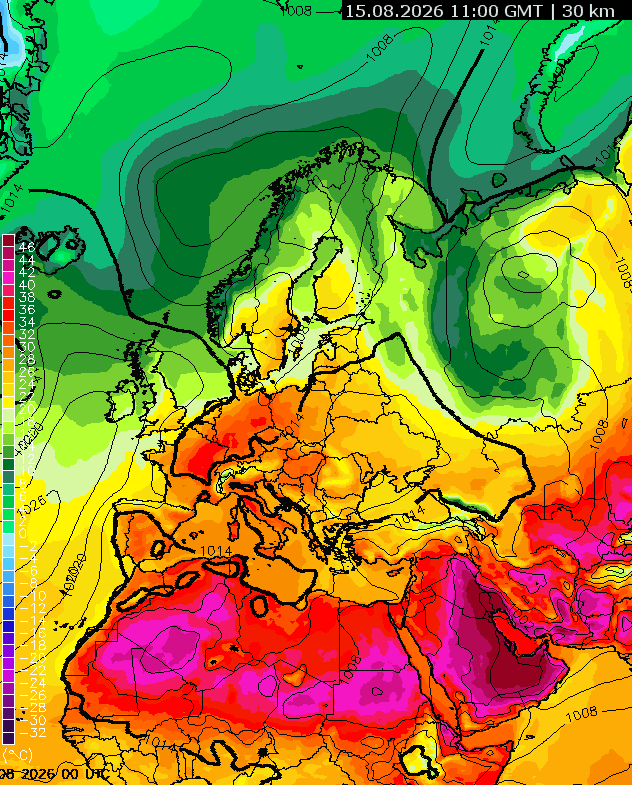
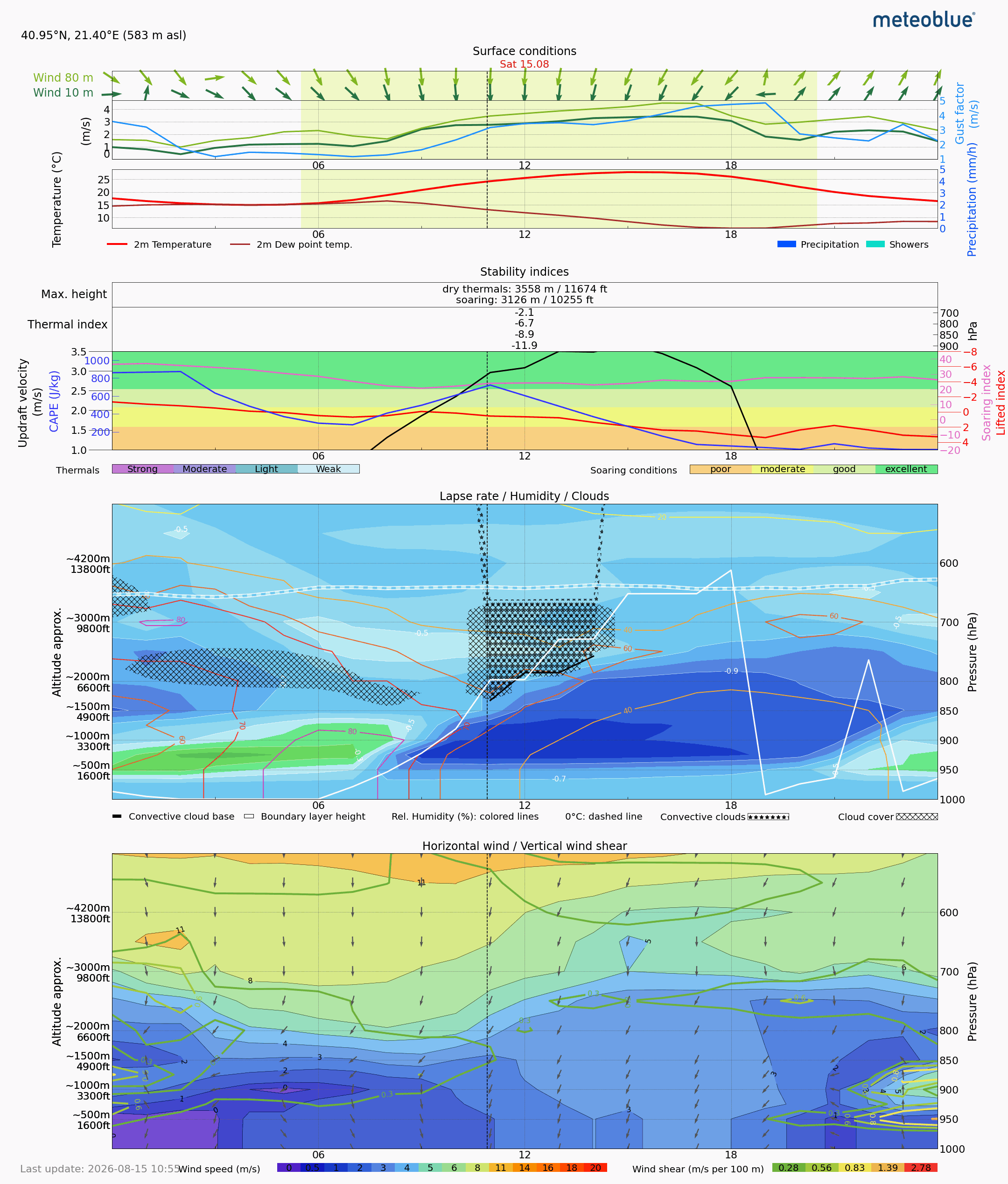
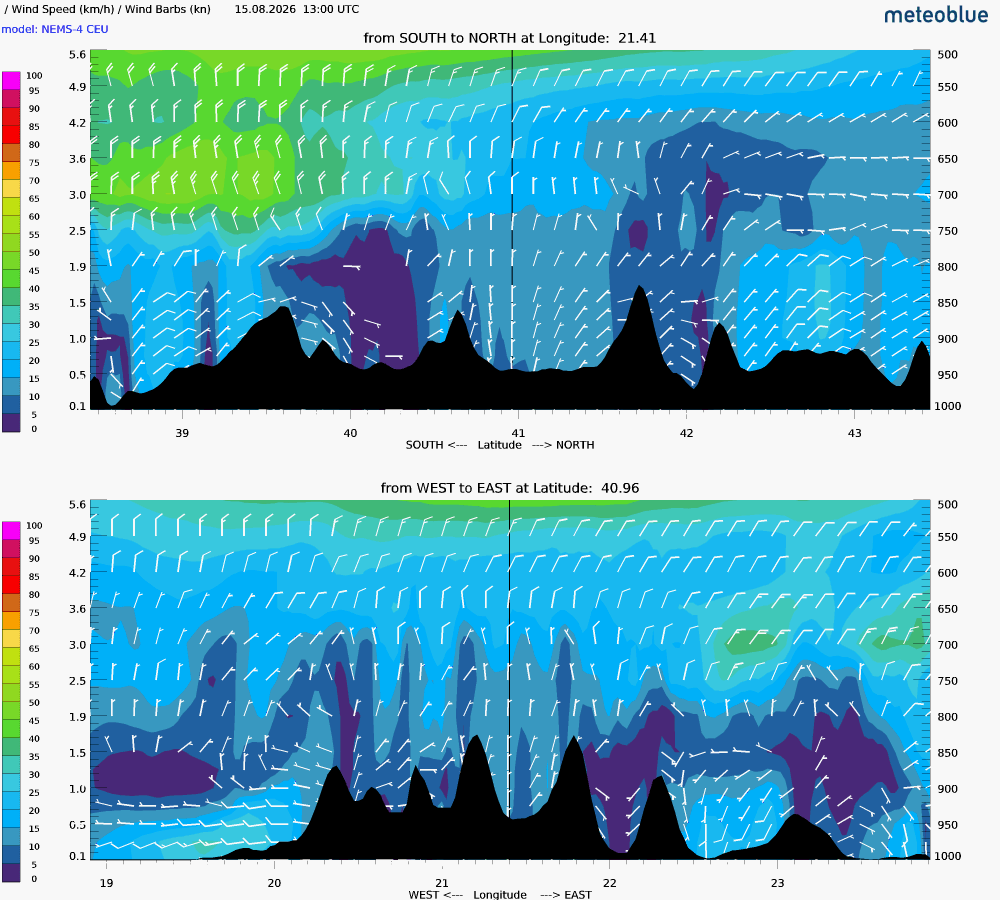
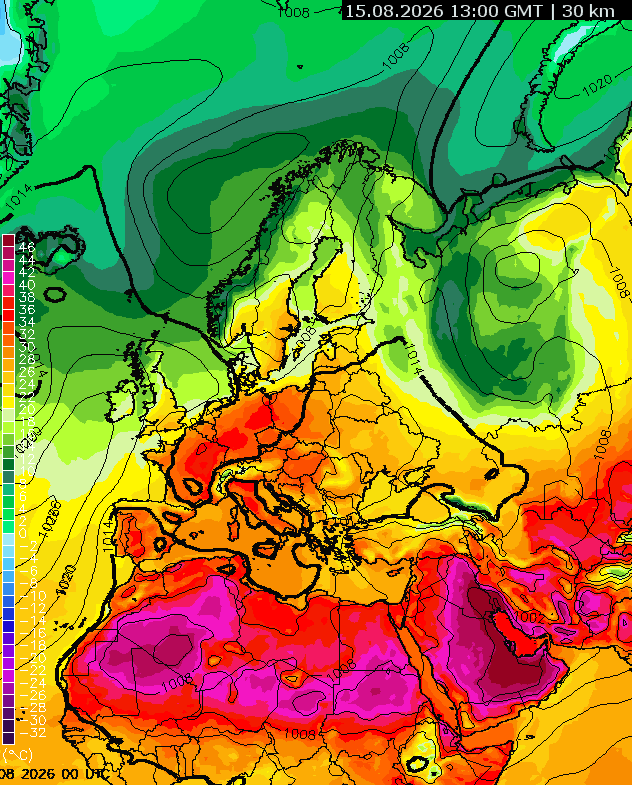
- A few pilots mentioned demanding weather and conditions, including a long headwind leg and rough air at low height. These conditions added challenge but also increased the importance of conservative goal planning and safe decision-making near the ground.
- Several pilots reported concerning pilot behavior in thermals and gaggles, including cutting through established turns, poor joining and exiting, wrong-way turns, not giving priority, and one isolated report of aggressive flying in the start gaggle. The feedback frames this as a serious safety issue that could lead to a midair if not addressed.
- Several comments praised the organization, including forecasts, briefings, fairness, care for pilot safety, and the support provided on takeoff. A few practical improvements were suggested: helpers should wait for pilot permission before opening gliders, retrieve vans should carry water, and radio time-out settings should be required or checked to reduce blocked safety frequencies.
- Improvement suggestions centered on keeping the task challenge while reducing avoidable risk: consider elevated or safer goal options, avoid final glides obstructed by trees, reinforce thermal/gaggle etiquette, and introduce clearer enforcement for radio behavior. These changes would preserve the strong task quality while addressing the most recurring safety concerns.